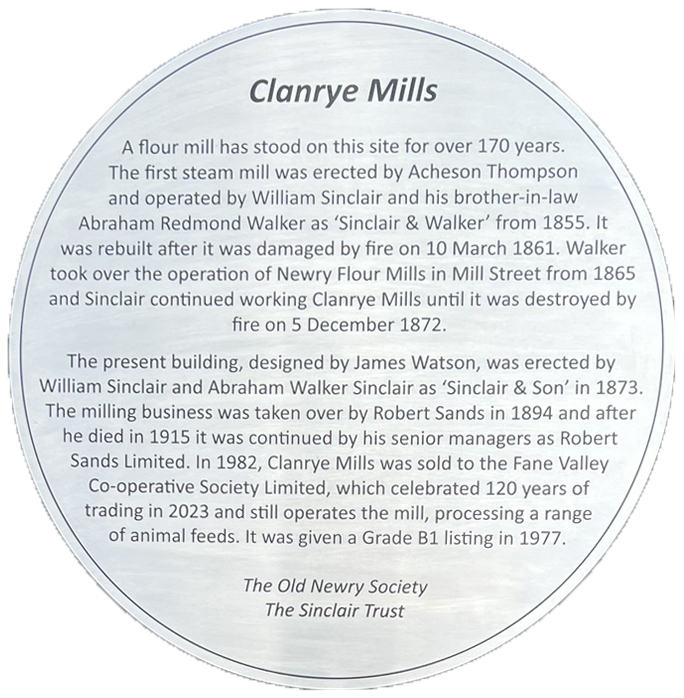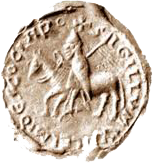
Clanrye Mills
Newry Flour Mills
Corn and Flour Milling in Newry
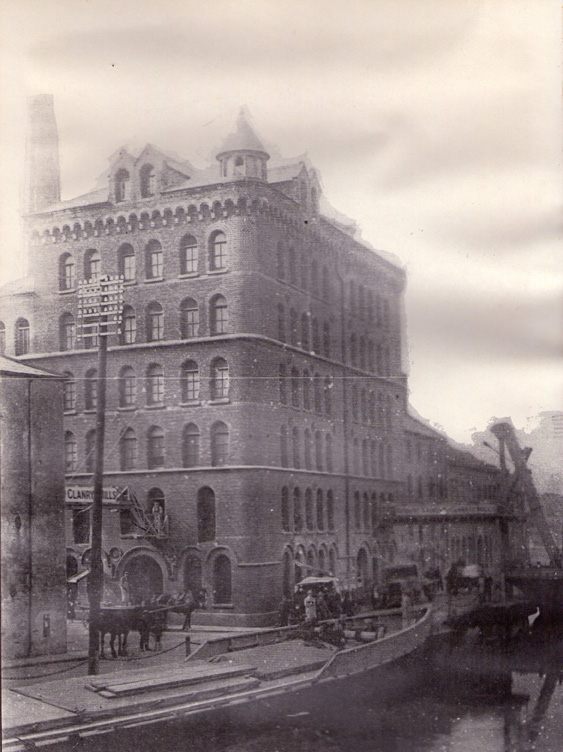
Clanrye Mills were originally built for Acheson Thompson in 1853 as the Canal Quay Steam Mills. They were purchased at auction by William Sinclair in 1855.
Sinclair had been a ‘meal seller’ since 1826, carrying on a successful country trade extending from Newry to Castleblaney and Monaghan. As a meal seller, he was buying grain from local farmers, storing it, sending it to mills to be ground into flour and selling the flour to bakeries and shops. In 1836 he was leasing property in the townlands of Carneyhough and Lisdrumgullion, most likely warehouses, and in 1839 he was recorded at 41 Water Street.
In 1845 he was urgently looking for a miller ‘who perfectly understands the Manufacture of Flour and Oatmeal’ to operate Mount Mills in the townland of Drummiller, about 3½ miles outside Newry. Within months he received a delivery of Indian corn (maize) from Lisbon, but by the end of 1846, just as the Famine was taking hold, nothing was available in the Newry market. Yet in the space of five days, huge quantities of corn, flour and meal arrived at Liverpool from America, much of which was destined for millers like Sinclair and Joseph Lupton in Newry.
Sinclair was joined by his brother-in-law Abraham Redmond Walker in 1853 and purchased the Canal Quay Steam Mills two years later. By 1860, ‘Sinclair & Walker’ had firmly established themselves, with offices on Sugar Island. Tragedy struck in March 1861 when the Indian corn mill was destroyed by fire. Fortunately, only two upper stories of the flour mill were damaged. The mills were back at work soon after and the same year they were also operating Newry Flour Mills.
Although demand had been high, competition was fierce. Lupton was just as busy at his new mill in Queen Street and Felix O’Hagan had opened the Hibernian Steam Mill on Catherine Street. In 1865, ‘Sinclair & Walker’ dissolved their partnership – Walker took over the Newry Flour Mills and ‘Sinclair & Son’ continued the business at Canal Quay and Sugar Island.
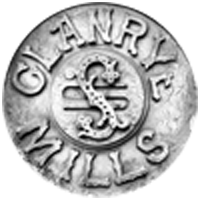
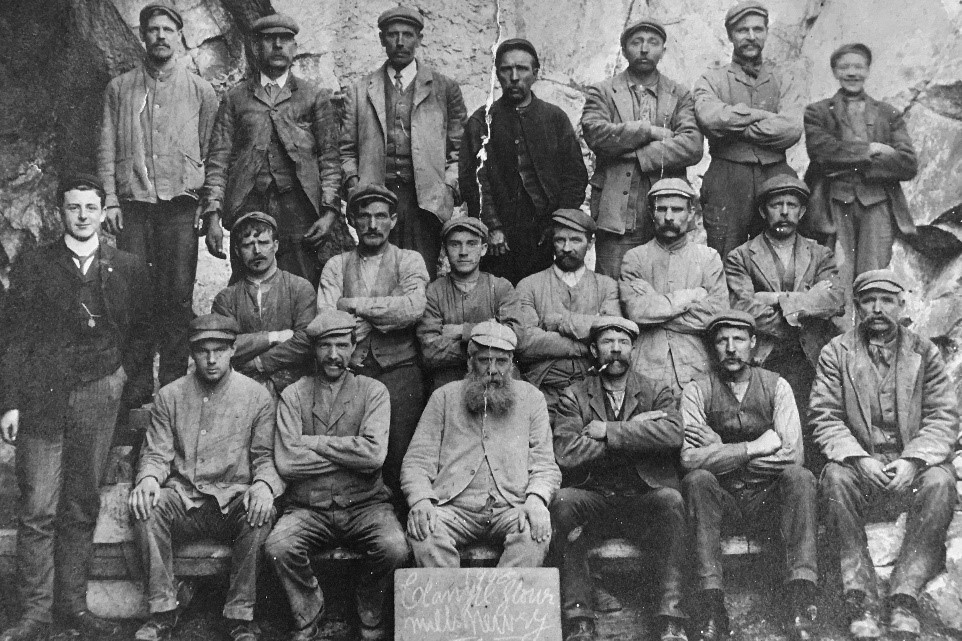
By 1871, although imports of Indian corn had dropped, ‘Sinclair & Son’ were milling 12,000 tons of foreign wheat annually and had opened a branch office at Killough to purchase native wheat. The flour department turned out 60,000 bags of flour each year and they imported 8,000 tons of Indian corn, principally for animal feed. Almost all the oats and oatmeal were exported. By then, the mills were employing about 70 workers and working day and night.
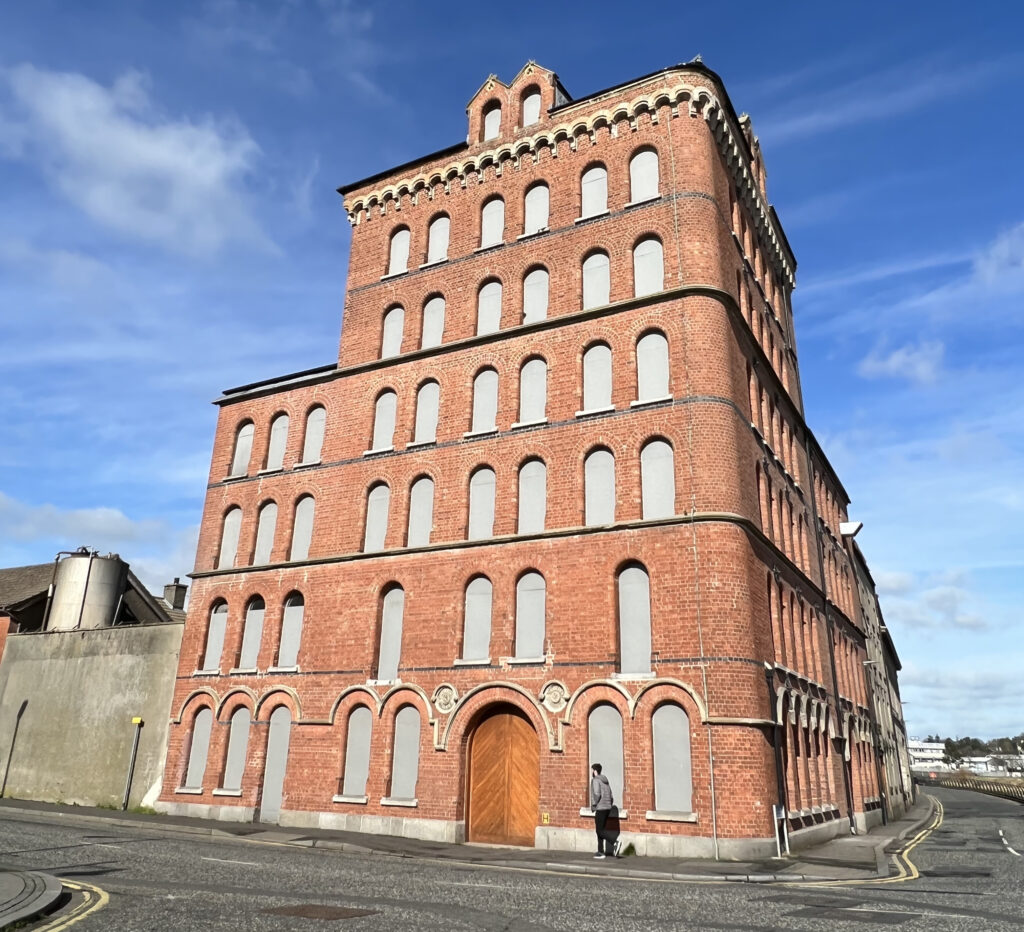
Once again, tragedy struck. The mills were totally destroyed by fire on 5 December 1872, although a large quantity of flour and grain in storage was saved, valued at up to £20,000 (equivalent to £2.5m today). Rebuilding work, to designs by the architect William James Watson, started immediately and by July 1873 the masonry for the ‘handsomest and finest mill of its kind in Ireland’ had been completed.
William Sinclair died in March 1880 and his son, Abraham Walker Sinclair, took over the business. But by that time the milling trade was finding it much more difficult. Imports of cheap American flour into their traditional markets in England had a serious impact on Irish millers. By 1884 Sinclair was trading at a loss and in 1889 he was forced by the Court of Chancery in Dublin to sell the business and its assets.
An auction finally took place in 1894 and Robert Sands, who had been renting and improving one of the mills since 1891, purchased the remainder of the properties. He had worked at both Newry Flour Mills and Clanrye Mills as a buyer and then set himself up in business in 1884 on Merchants’ Quay. By 1906, he had increased Clanrye’s grinding capacity to 1,200 tons a week, most of which was Indian meal for animal feed. In addition to the flour he stored at Clanrye Mills, he held enormous stocks in depots at Liverpool, Belfast, Galway, Dublin, Westport, Sligo, Drogheda and Dundalk. In 1907, he purchased Newry Flour Mills.
Sands died in 1915 and four of his senior management team continued the business for his widow. She finally sold it to them and in 1928 they formed Robert Sands Ltd., with Henry Lyons becoming its Managing Director. In 1955, after all the town’s bridges were closed, the canal could no longer be used to deliver grain to the mills by barge. Instead, bulk grain was loaded at the Silo in Belfast and delivered by a fleet of lorries.
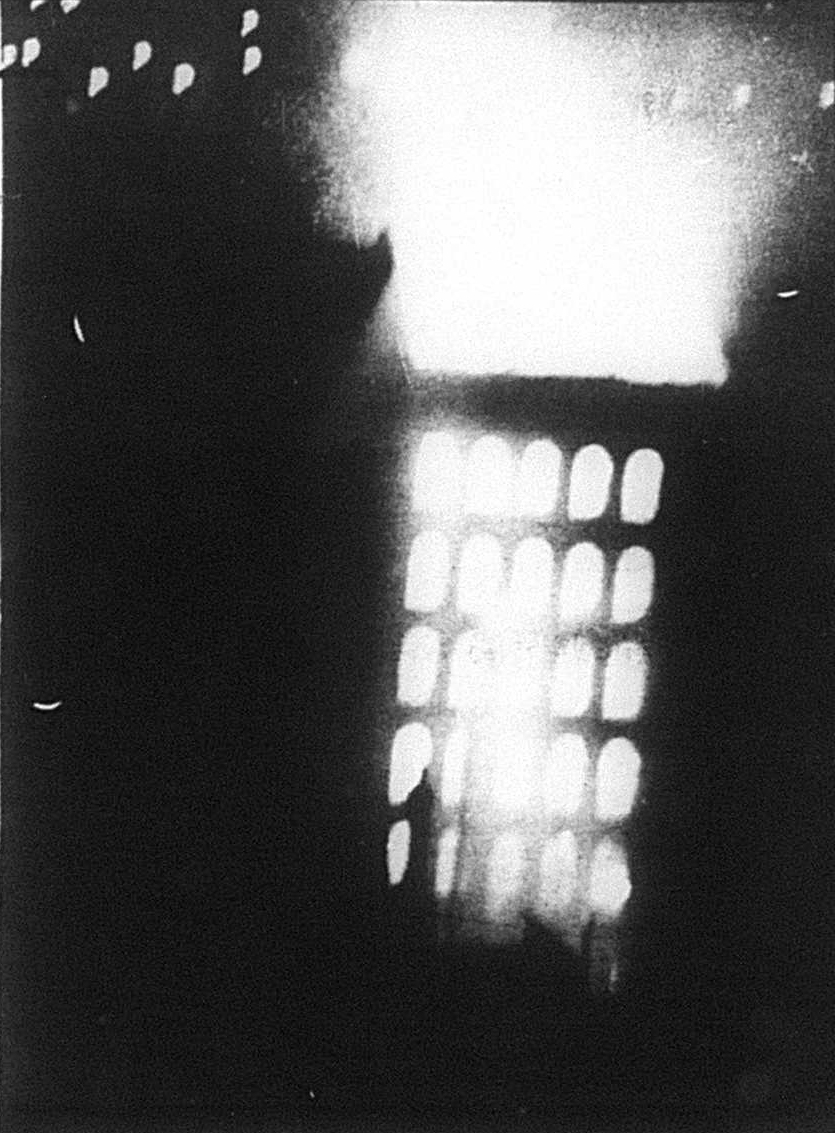
In 1968, the company employed 42 workers and had spent £35,000 remodelling the inside of the mills and installing new equipment, but by the early 1980s it was very difficult for independent mills to survive. Instead, the Board agreed to sell the company to Fane Valley Co-Operative Agricultural & Dairy Society Ltd in 1982. Under its new ownership, further improvements were made, but two years after investing £300,000 in new machinery, fire destroyed half of the building and grain stocks worth £60,000 on 5 February 1985.
In 2023, the rebuilt Clanrye Mills was 150 years old and in 2028, it will be 175 years since the first mill was built on this site at Canal Quay. It is now the last working mill in Newry and one of the town’s most distinctive architectural landmarks.
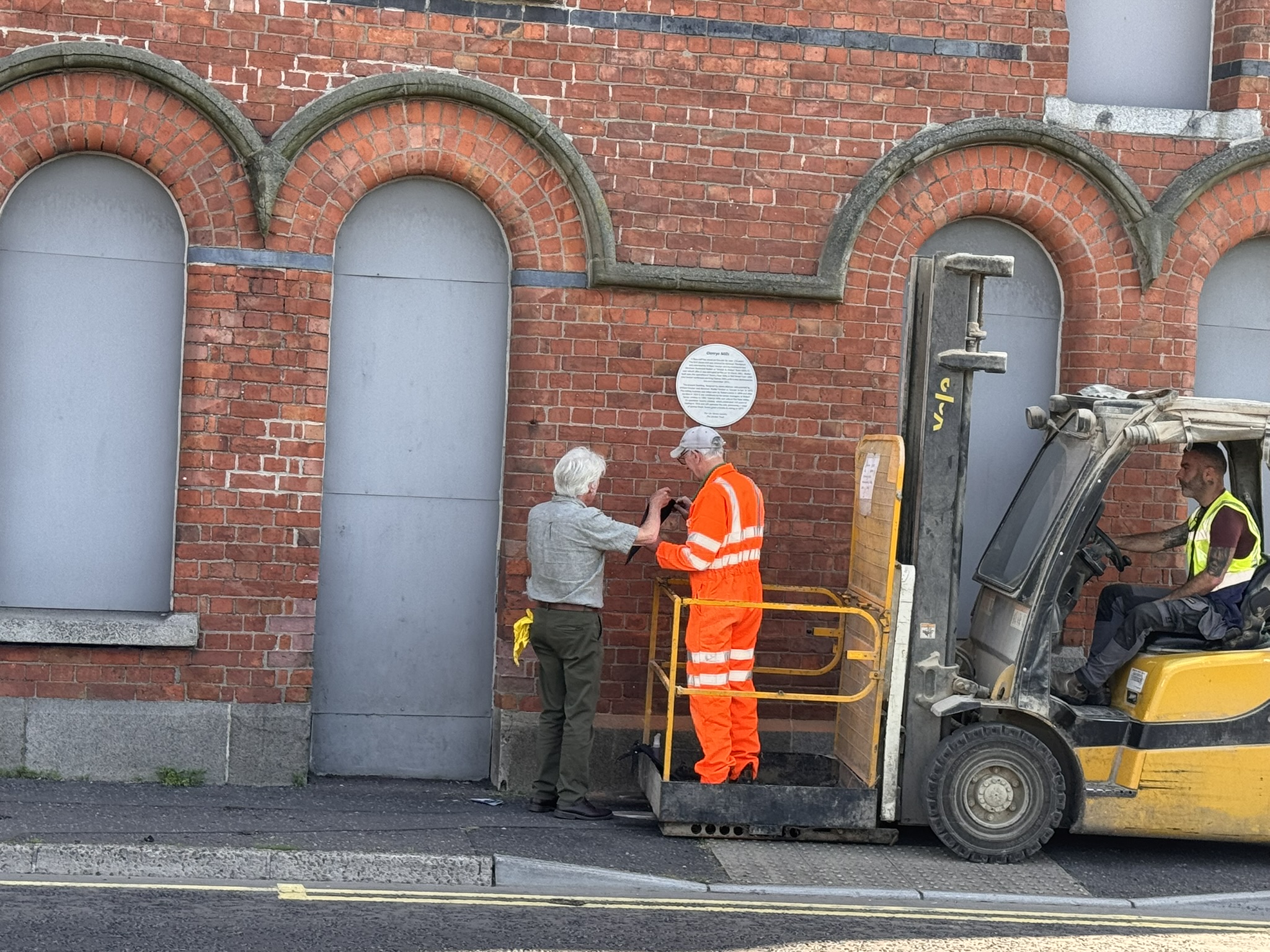
Victor Courtney (Fane Valley Feeds) and Peter Sinclair (The Sinclair Trust) mounting the Clanrye Mills plaque on 25 June 2026.
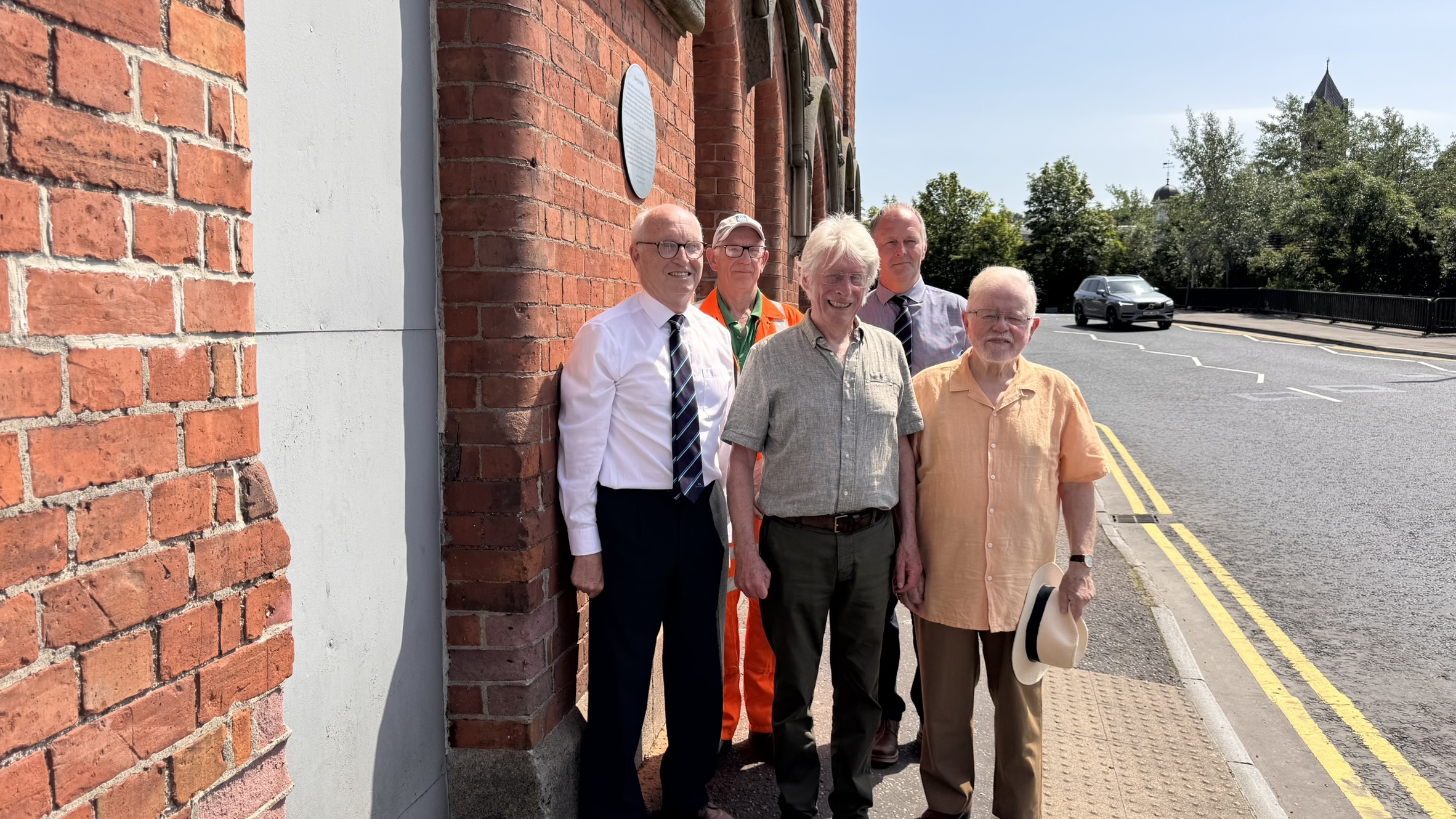
After the installation of the Clanrye Mills plaque, 25 June 2026: Patrick Savage (Chairman of Fane Valley Co-operative Society), Victor Courtney (Fane Valley Feeds), Peter Sinclair (The Sinclair Trust), George Blackwood (Vice Chairman, Fane Valley Co-operative Society) and Tom Moore (The Old Newry Society).