View this email online
| Winter Newsletter 2025 |
New series, No 1 |
If you are receiving this newsletter for the first time or don't want to receive any more, please unsubscribe below.
The newsletters are simply a very occasional way of letting you know about new research appearing on the Sinclair genealogy website. Its focus has been mostly on Ireland and the Sinclairs who settled there during the early plantations and after Monro's Scottish regiments arrived to suppress O'Neill's Irish rebelllion in 1642, but that focus is changing.
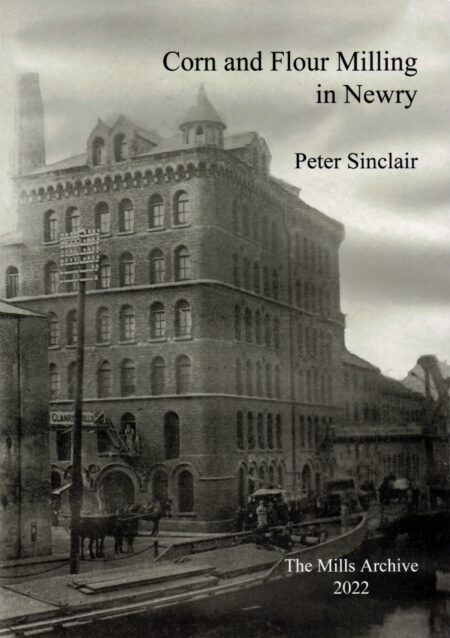
| The history of the Sinclairs in Newry was completed in 2024, and just enough copies were printed for interested members of the wider family. However, the Mills Archive in Reading published some of the research as Corn and Flour Milling in Newry. It is still available from the Mills Archive for £24 plus postage, or it can be downloaded as a PDF for £12. |
 |
Now, with input from historian Nina Cawthorne, the website includes detailed information about the lesser known Roslin Sinclair families of Orkney, including those of Eday, Warsetter, Brecks, Toab, Brabster and Sabay, as well as those in Sweden and Denmark.
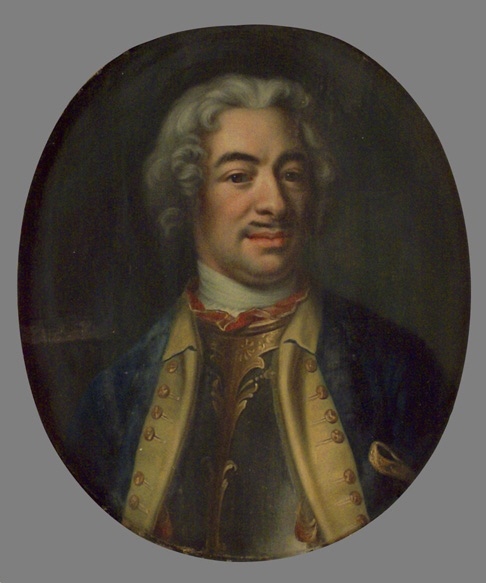 |
One of the sons of William Sinclair of Sabay in Orkney was a Colonel in a cavalry regiment in Sweden. He purchased the estate of Finnekumla in Alvsborg county and married Caterina, the daughter of a rich Scottish merchant in Gothenburg. Major Malcom Sinclair, his eldest son, is the subject of Sinclairsvisan, a well-known song in Sweden. |
The Sinclairs of Herdmanston and Rosslyn have not been overlooked. There is now more information about the earls of Rosslyn, the Lords Sinclair of Rosslyn, the Sinclairs of Dryden, Patrick Sinclair of Spotts and Woodhouselee, the St Clairs of Longformacus, and those of Stevenson.
| William St Clair, the 'Last Rosslyn', died in 1778, leaving a 'natural' daughter called Jean. Her son was William St Clare, the 'Bustard Grandson'. He became a very successful doctor in Preston, Lancashire, amassing a sizeable estate. Only one of his sons married and it seems none had any children. William died in 1822 and his friends erected a fine memorial to his memory in the parish church of St John in Preston. |
 |
Over the next year or two, more Sinclair branches will be researched, in particular those Saint Clairs living in the south of England during the late medieval perod.
 |
Medieval Walkern and Magna Carta was written after discovering that William de Lanvalei, a Magna Carta baron in 1215, was a descendant of Hubert de Saint Clair, who died saving Henry II's life in 1155. Hubert's orphaned daughter Gunnore was given in marriage to William, a Breton favourite. The book traces his barony through successive families until it was sold in 1506. The book is still available for £10 plus p&p, or contact me through the website. |
It only leaves me to wish everyone who continues to have an interest in the Sinclair families the very best for the coming year, and that regional conflicts around the world are resolved without further destruction and loss of lives.
Peter Sinclair